Surveys are important tools for gathering information and feedback. We at Pulse For Good recognize the importance of survey construction and the psychology behind it. From how a question is stated to how the survey is formatted, the questionnaire can determine what kind of information will be gathered.
Pulse For Good has done research on how a survey should be conducted. We try to eliminate bias the best we can when creating surveys for our clients. This article will share the tips and tricks we’ve learned on how to create an effective survey.
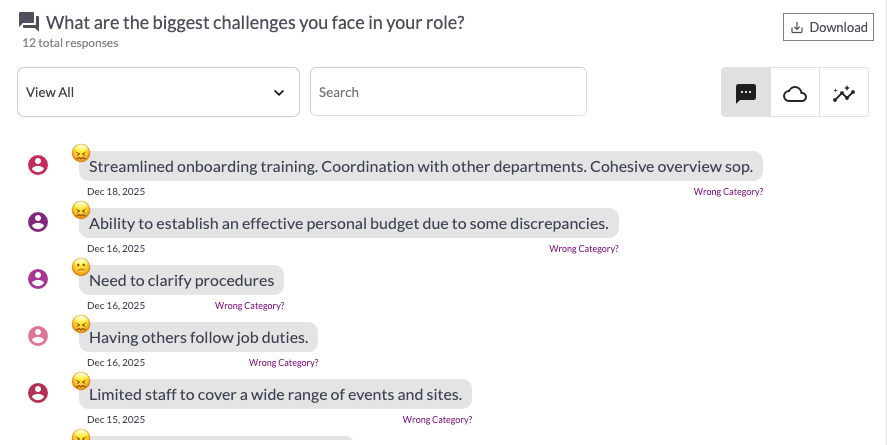
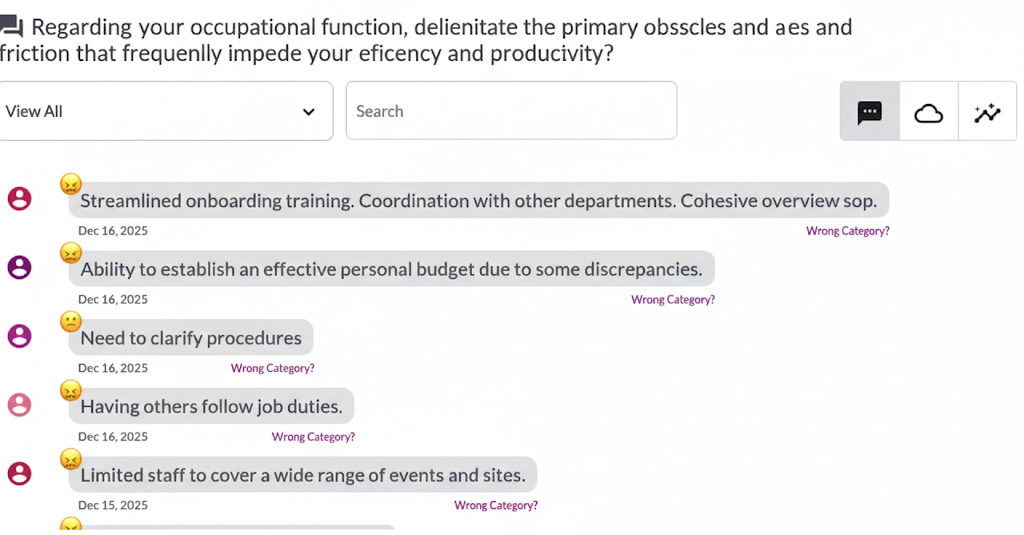
DO: Keep wording simple
Simple words are much easier to understand than complex words, even if the complex word might fit the context better. It’s safer to use common simple words than complicated words with multiple syllables that you’d need a dictionary for.
Avoid unfamiliar abbreviations and the use of jargon. When you assume people know what you mean, there forms a misconception of your audience. Jargon, or obscure and often niche terms, also distances your audience as they may not know what you mean.
Also avoid double negatives. When you ask for someone to agree on their disagreement, it gets confusing and you may not receive accurate information.
Wording should be clear, avoiding ambiguity. People interpret some terms differently and definitions are relative. Words like “often” or “soon” are subjective words that mean different things.
Do
Don’t
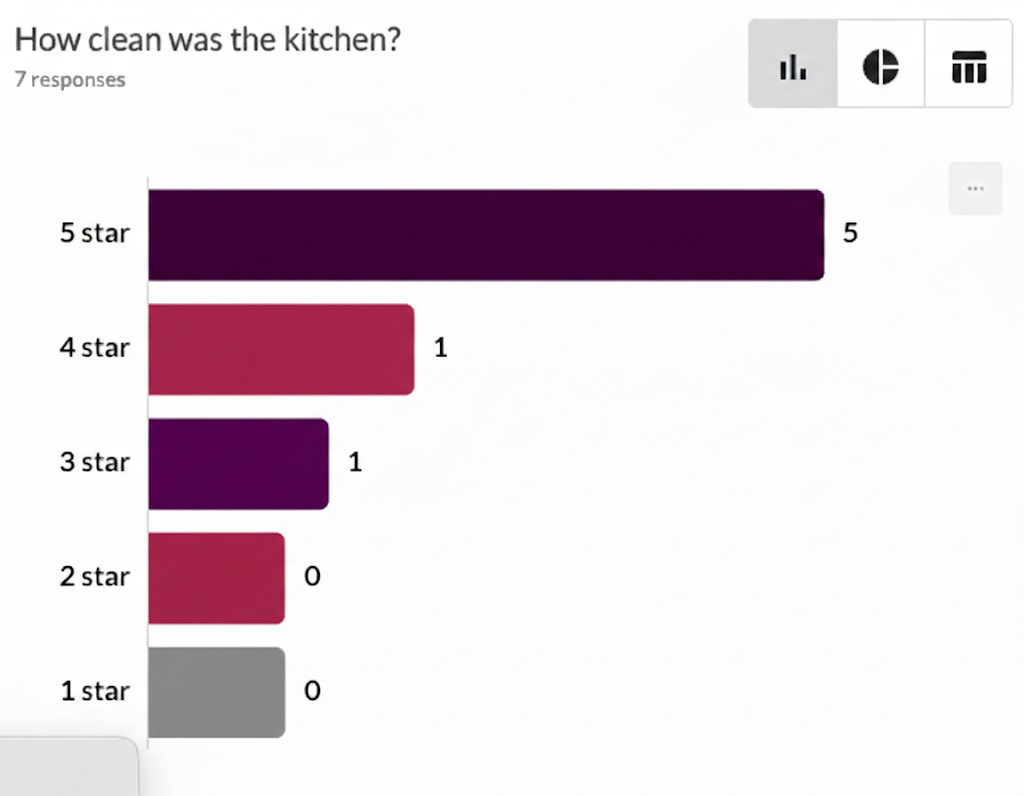
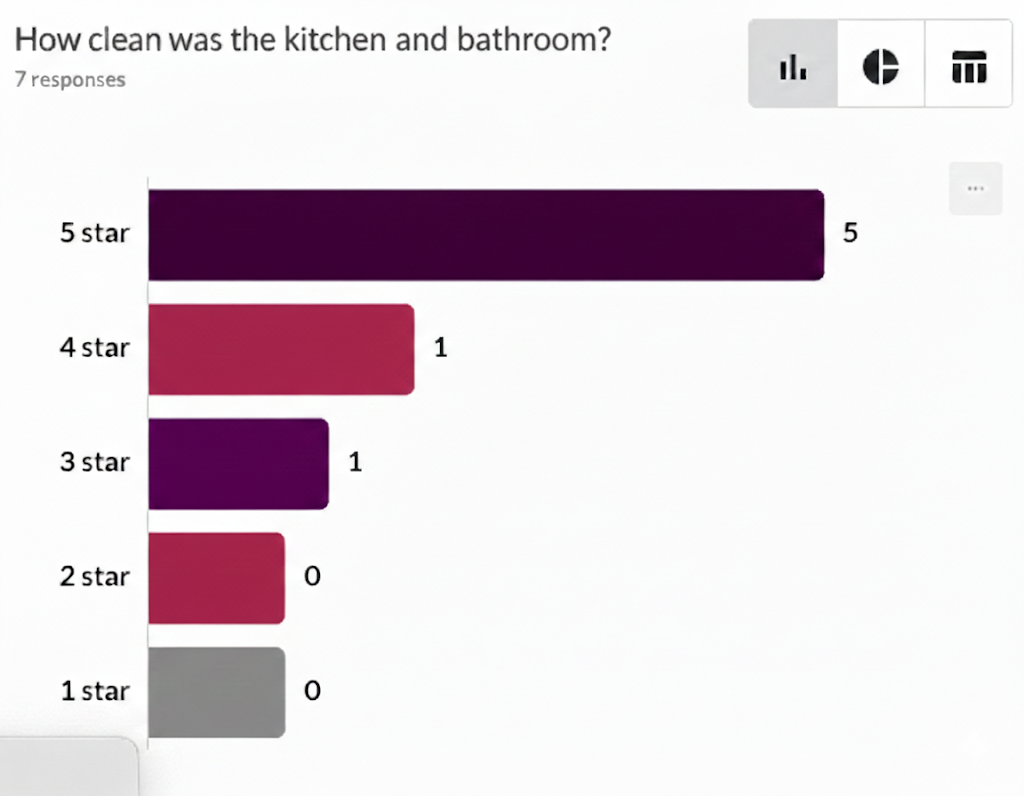
DO: Focus on one question at a time
Each question should focus on one topic. If you ask how the kitchens and bathrooms were at an establishment, you ask for two different things that people may have contrasting opinions on. This is called a “double-barreled question.” Only ask for one thing at a time.
Do
Don’t
DO: Remain objective in question wording
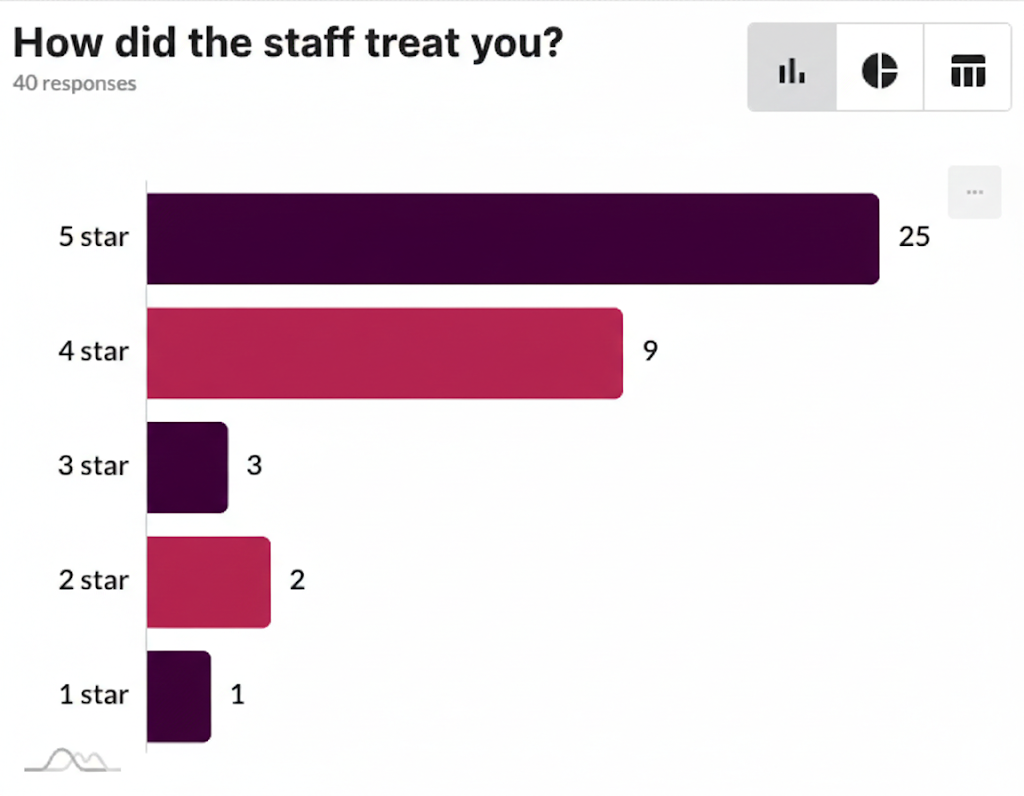
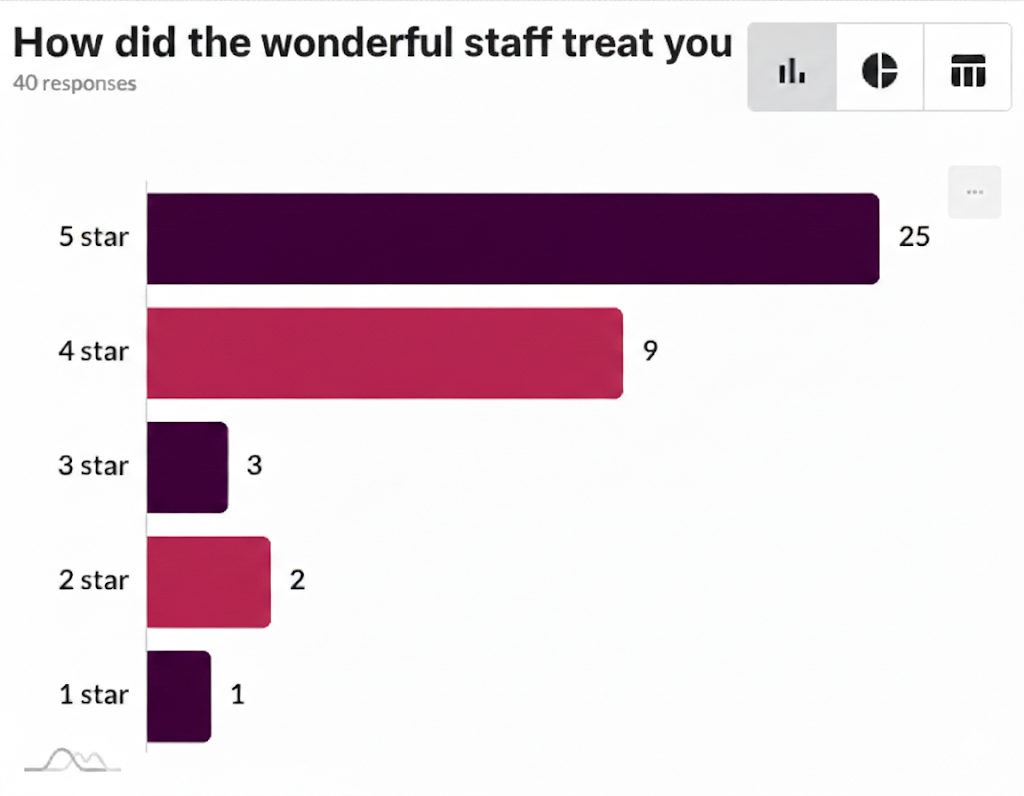
Some questions already hint at the desired answer in the wording itself. By asking how “the wonderful staff” has been to you, it already tells the reader that they should say their experience was positive. Slightly pushing agendas onto people doesn’t give fair or accurate responses. Ask in a way where they can express either their negative or positive experience.
People have a natural tendency to agree with others to be accepted into social groups. This is called the “social desirability bias.” Staying objective in question wording will eliminate this bias.
DO: Keep formatting consistent
The format of questions along with the format of the survey should be the same. If the phrasing of the question is different from question to question, it trips readers up and makes it difficult to retain their attention.
Each way a reader answers a question should all be the same format as well. Stick to one or two ways of answering like 5-scale Likert rating or multiple choice. If your survey has multiple choice, then a text box, then 5-scale rating, then a short answer, there are a lot of moving parts that dissuade people from continuing the survey. You want people’s input so keeping each answer format similar will ease the process in taking the survey.
When asking an open-ended question, people should be able to answer it open-endedly. Give them a text box to answer it. Same goes for closed-ended questions, let people answer it as a closed-ended answer by providing multiple choices to choose from.
Do
Don’t
DO: Keep the survey brief
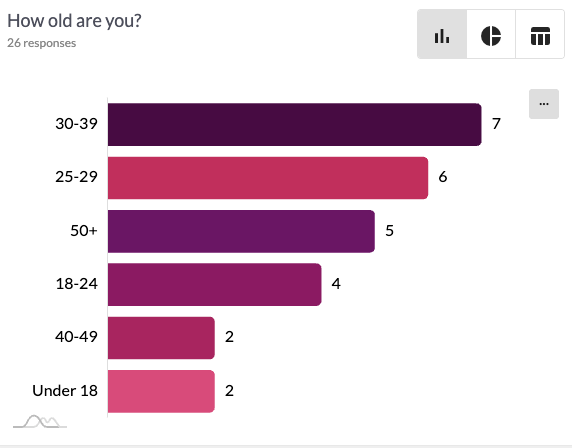
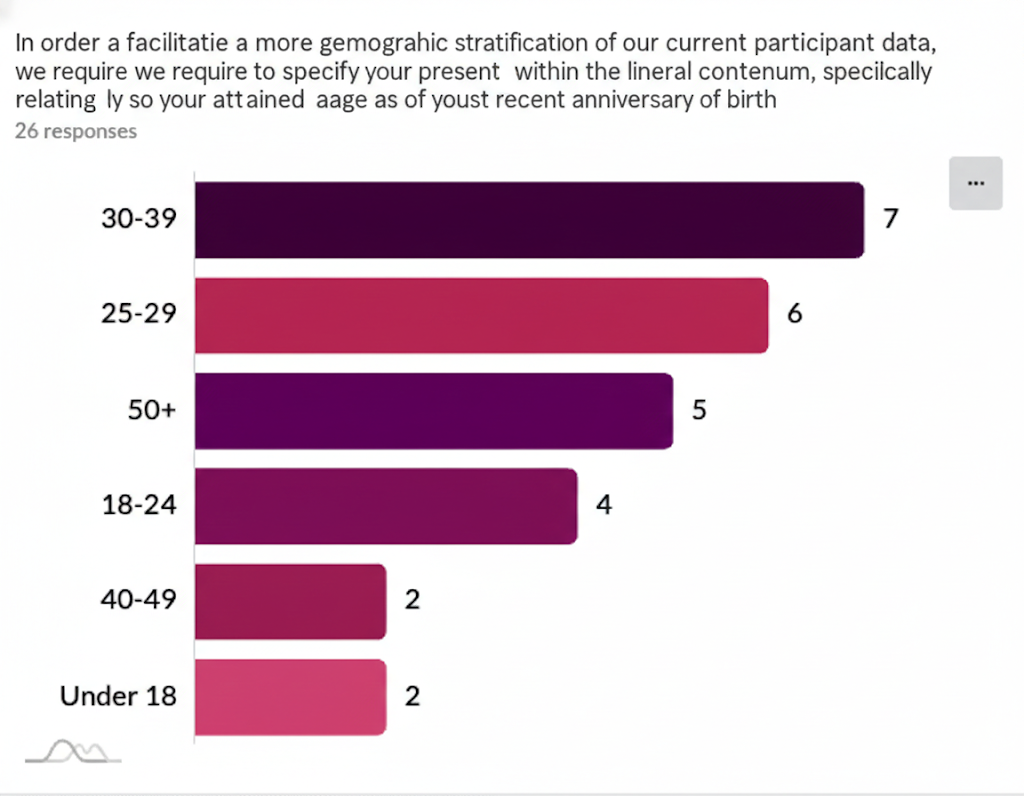
Don’t make every question lengthy. Ask the question directly and simply while still using complete sentences.
The most people can willingly give to fill out a survey is around seven minutes. You have a lot of information you want to find out but not a lot of time to. Keep each question concise with a limited number of questions. You want information that is willingly given and after completing several questions with many more to go, the information is given begrudgingly.
Do
Don't
DO: Ask for relative information
Recall questions are hard for people taking a survey to navigate. Their memory might not be sharp to provide accurate data. Ask for present information and current experiences.
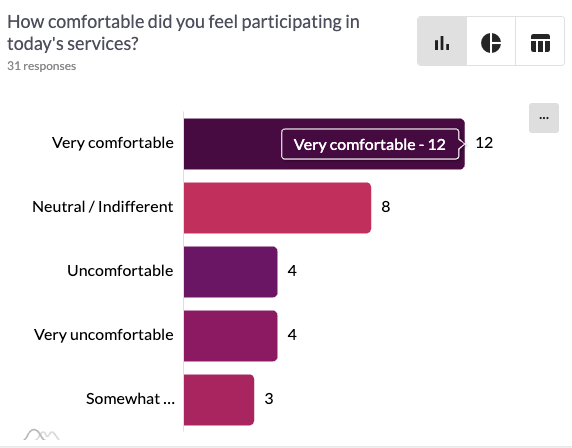
Do
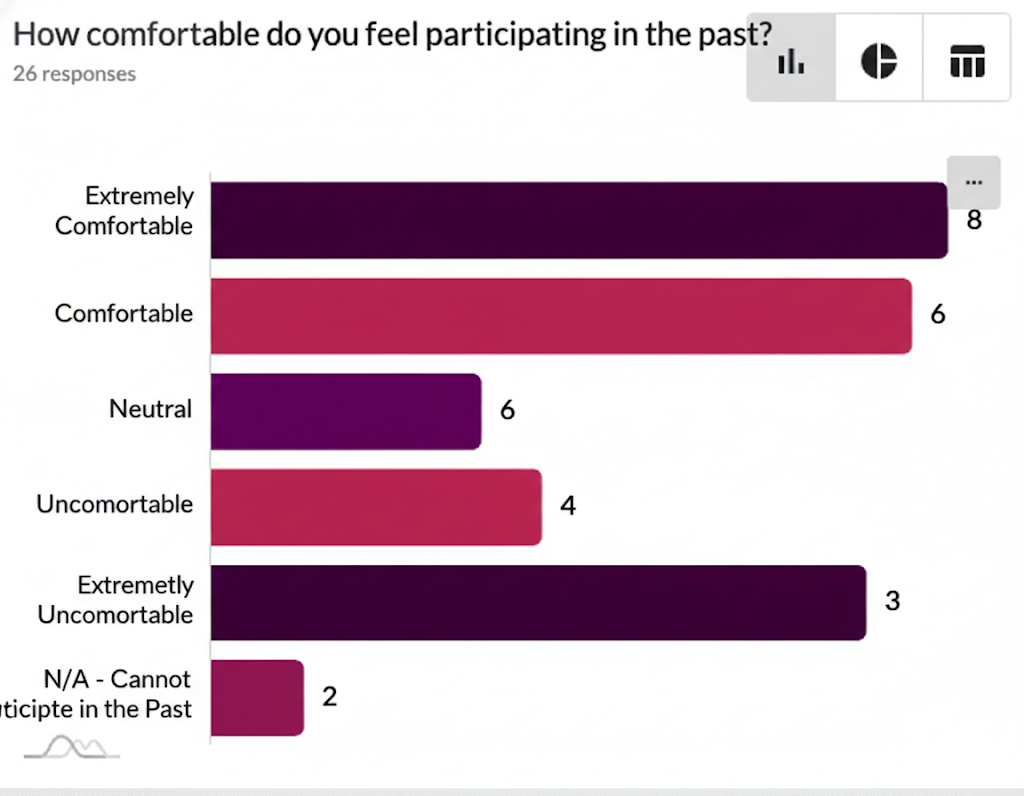
Don’t
DO: Sequence the survey in a logical order
Survey sequencing can have a profound effect on the information you gather. Asking someone to give reasons why they felt safe at the establishment before asking them if they felt safe will influence how they answer that second question.
Topics should flow throughout the survey. Keep similar questions next to each other. Jumping from topic to topic in a disorganized manner feels cluttered and your reader shouldn’t have to recall their opinions on certain subjects.
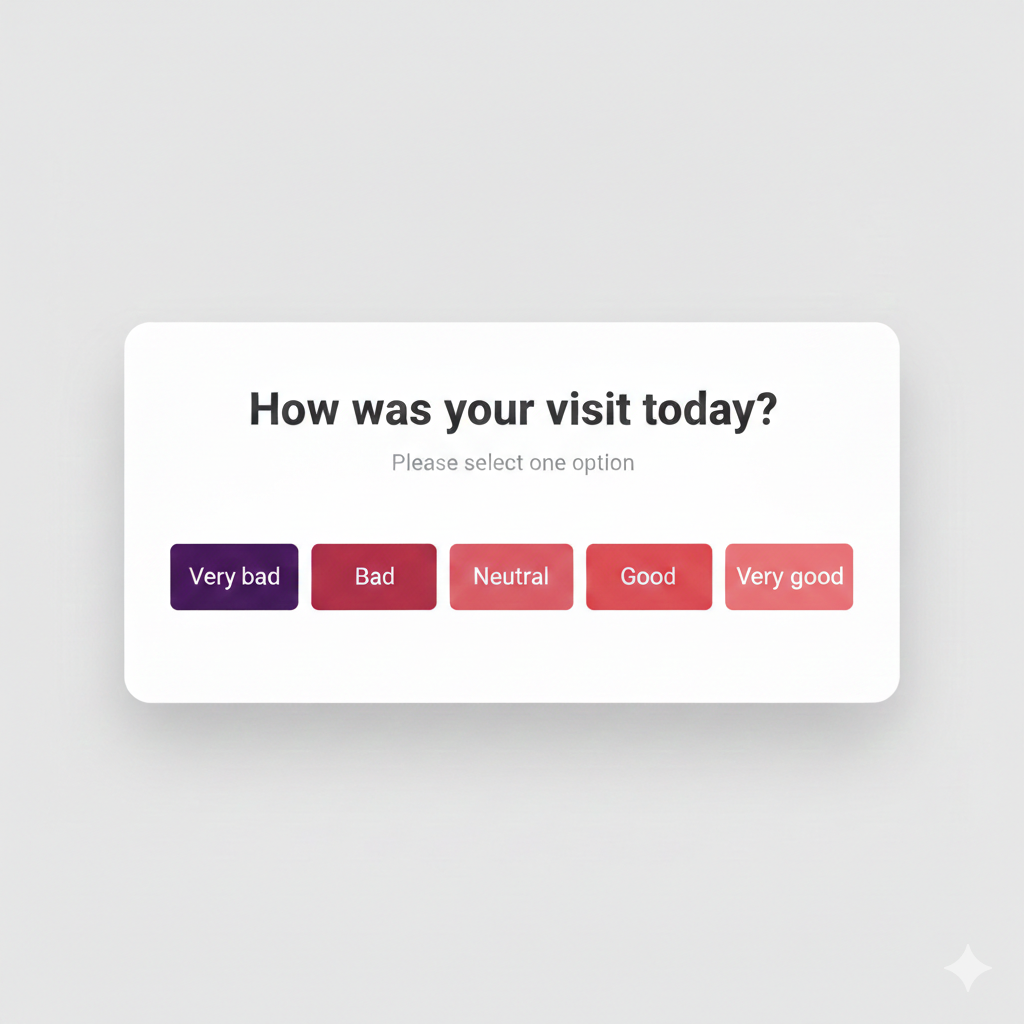
The first question should be the most important question. However, that balance is fine when the first question should also be to entice people walking by to fill out the survey. A question like “How was your visit?” is a great question to start with. It’s a simple question that gives broad information to the organization but a rewarding one for the person taking the survey. It shows a bit of empathy and it will more likely get them to fill out the rest of the survey.
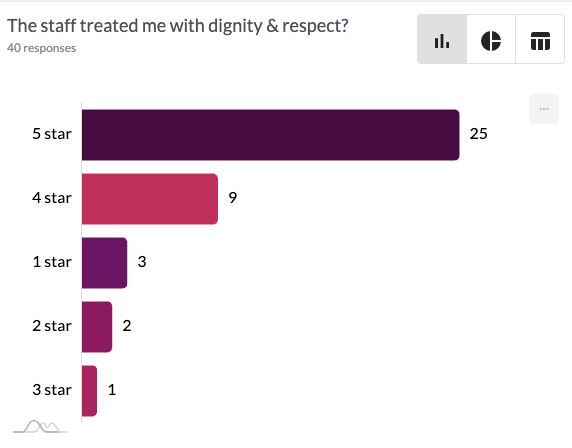
DO: Rate from left to right when using the Likert scale
English speakers read from left to right. When using the Likert scale, people will read the options from left to right and more likely have the last thing they read most prevalent on their mind. If “Very good” is on the left and “Very bad” is on the right, then people will associate the most recent option as the more common answer, thus being more likely to answer with “Very bad.”
DO: Remember your audience
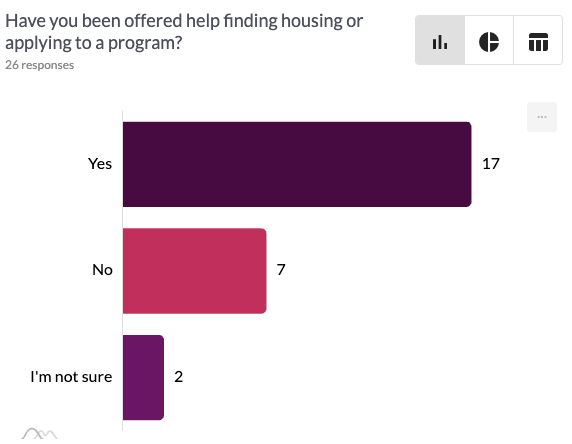
Remember who this survey is going to. Keep in mind what knowledge they may have because it will decide how you word questions and even what questions to ask. If the survey is for vulnerable people, remain sensitive when gathering their information.
Do
DO: Have a purpose behind the survey
There should be a reason why people should take time from their day to fill out a survey. The purpose should be transparent as to why the survey exists. It should also be apparent who is using this data or viewing the information. The “why” behind the survey should be an important aspect of the survey’s existence.
Don’t
There are a lot of careful rules when it comes to surveys but it doesn’t have to be stressful. If you’re wondering how our surveys will help your organization, visit our website at pulseforgood.com.